11 min read
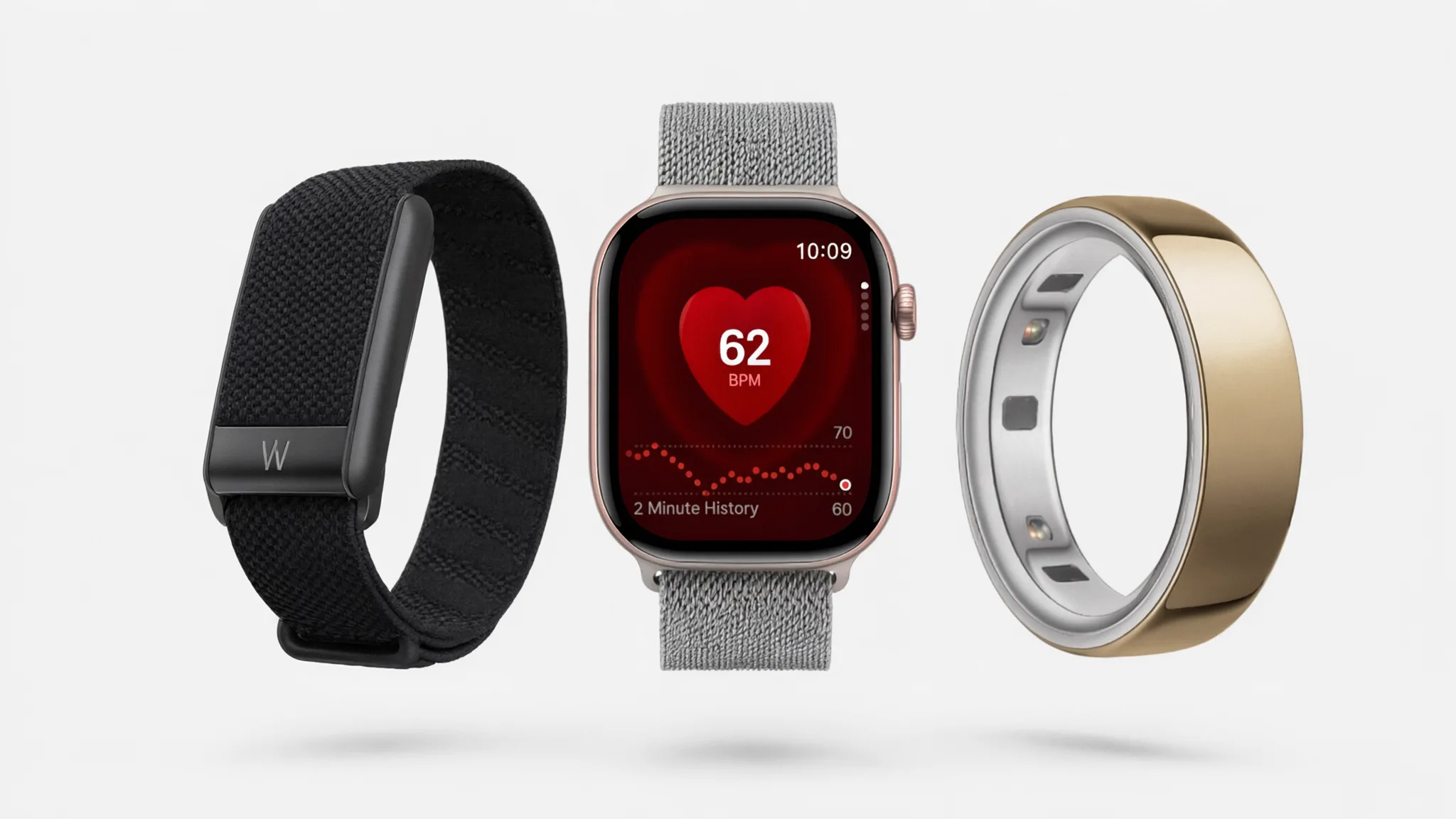
Whoop vs Luna Band: Is the Subscription Worth It?
Whoop 5.0 costs $199 a year forever; the Luna Band is $149 once. We compare accuracy, features, and three-year cost to see which actually wins.
Articles about AI health coaching, recovery, sleep, strain, and nutrition.
Whoop 5.0 costs $199 a year forever; the Luna Band is $149 once. We compare accuracy, features, and three-year cost to see which actually wins.
Most people assume HIPAA protects the data in their health apps. It usually does not. Here is what actually protects you, and what to check before signing up.
Plenty of people use ChatGPT for health advice. We look at what it does well, where it fails, and when a dedicated health app is the better tool.
Vora vs Lemon Health, compared with real prices, platforms, scores, and privacy notes checked on September 18, 2026 — plus which AI coach fits your phone.
AI health coach vs human coach: what 35 studies, a Stanford trial, and ChatGPT accuracy tests show about cost, results, and when you need a human.
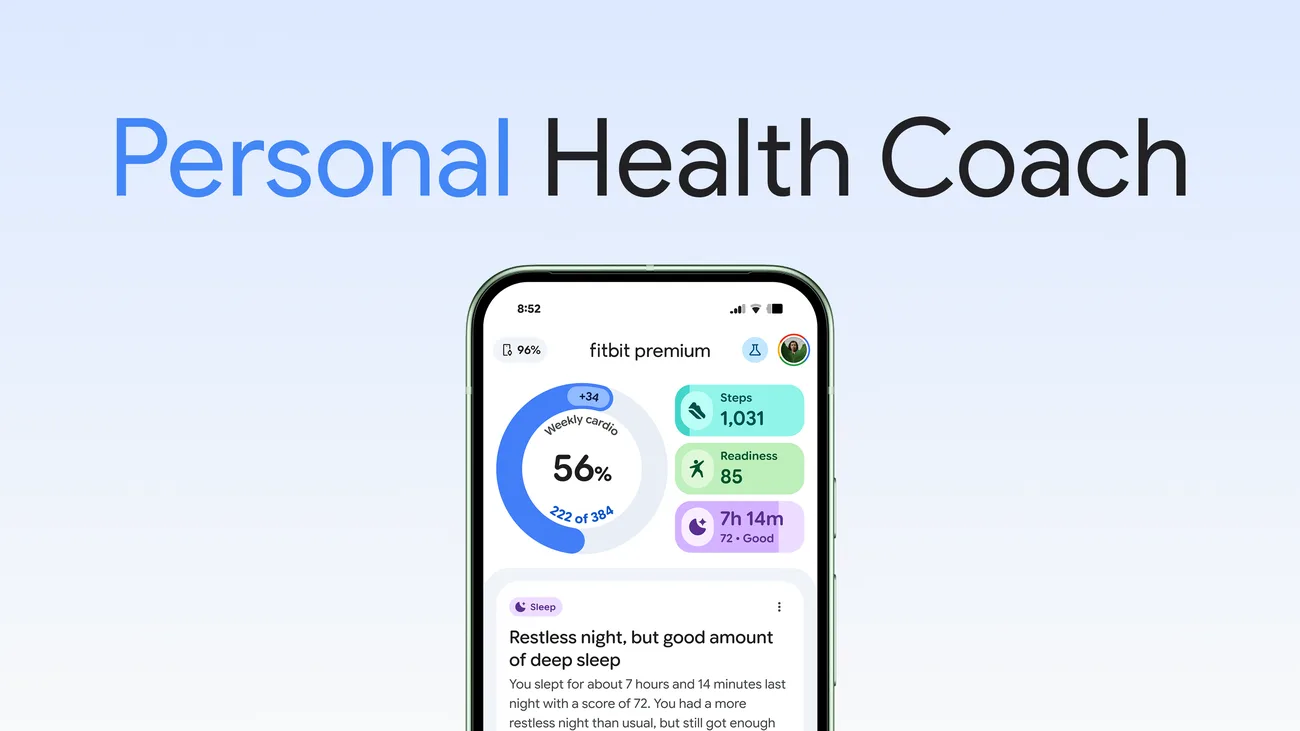
We compared AI health coaches from Google, WHOOP, Apple, Oura, and Ness on price, hardware, data access, and privacy — with real numbers others skip.
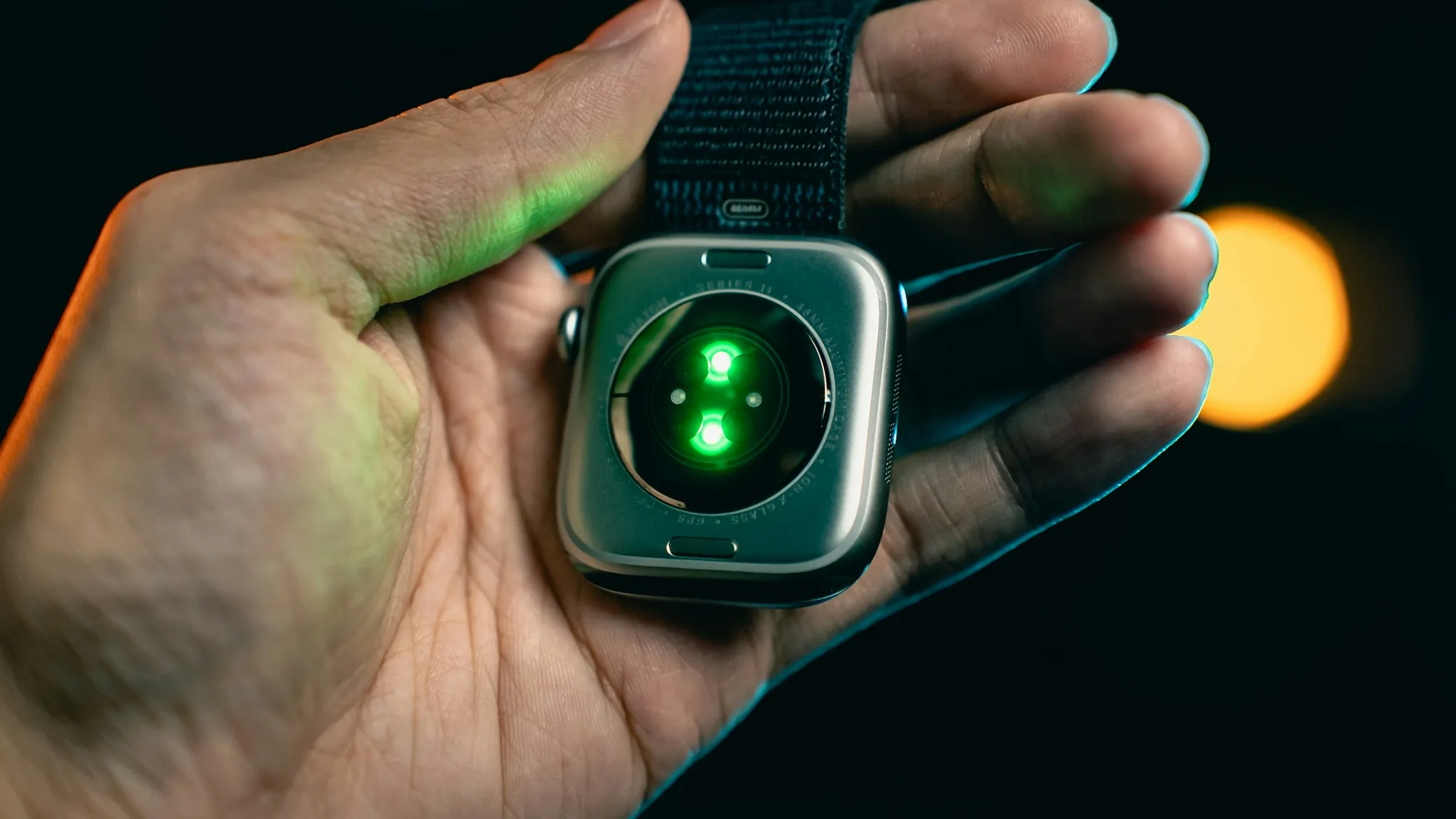
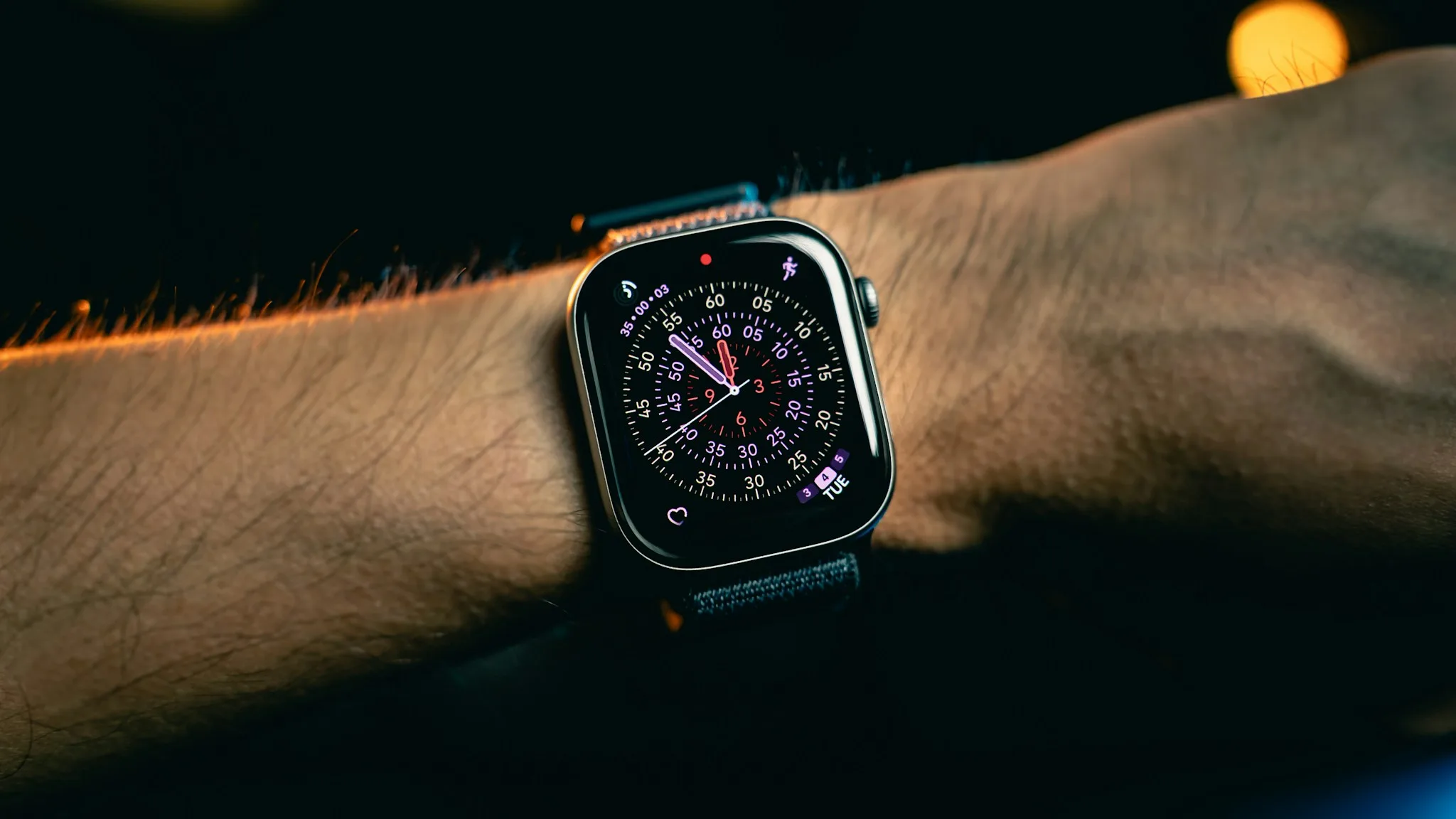
Whoop 5.0 vs Apple Watch Series 12: price over five years, score quality, battery, and whether the subscription wearable still earns its keep.
Got a possible sleep apnea notification from your Apple Watch? Here is what it means, how accurate it is, and exactly what to tell your doctor.
Athlytic and Bevel both turn Apple Watch data into readiness and recovery scores. We compare price, accuracy, privacy, and who each app is for.
We compared the top AI health coach apps on price, data access, and coaching quality — including the free options. Here is how they actually differ.
Series 12 vs Series 11 compared for health tracking: readiness score, 5-second heart rate, 24x HRV sampling, battery, price, and who should actually upgrade.
Does the Apple Watch measure blood pressure? No. Here is how hypertension notifications work, how accurate they really are, and what to use instead.
The best hidden Apple Watch features in 2026, from the Series 12 readiness score to watchOS 27 tap gestures, with the exact tap path to find each one.
The best AI health coach for Apple Watch right now, compared: Ness, Bevel, Livity, Athlytic, and Gentler Streak, with prices, hardware needs, and honest picks.
Google's Health Guardian promises insulin-resistance and blood-pressure trends from a watch. Here is what it does and what Apple Watch can match.
An overnight heart rate a few beats above baseline can mean alcohol, late food, stress, or the start of illness. Here is how to read the signal.
Wrist temperature, HRV, and resting heart rate often shift a day or two before you feel sick. Here is what Apple Watch can catch and what it cannot.
Apple's new $119 Health Labs panel tests 50 biomarkers and feeds them into Health Age. Here is what it measures, how to book it, and what it skips.
Stelo and Lingo made glucose monitors available over the counter. What a CGM actually shows if you don't have diabetes, what glucose spikes mean, and when the experiment is worth it.
Sleep debt is the gap between the sleep you need and the sleep you get. What the weekend catch-up studies actually found, how long recovery takes, and a plan that works.
watchOS 27 and iOS 27 add perimenopause support to Cycle Tracking: notifications for users 40 and over, symptom logging, and educational resources. What it does, how to set it up, and what it cannot do.
The Garmin Cirqa is a $199 screenless band with 10-day battery, Training Readiness, and no subscription. What it adds if you already wear an Apple Watch, and what it cannot do.
Oura's S-1 confirms battery problems in certain Oura Ring 4 cohorts drove an $84 million warranty bill. What the filing says, what it means for Ring 4 owners and buyers, and what to consider instead.
From the Apple Watch to the KardiaMobile 6L, here are the at-home ECG devices cleared for 2026, what each can detect, how accurate they are, and when a consumer ECG is not enough.
MyFitnessPal's barcode scanner sits behind Premium, the subscription keeps climbing, and the app is reportedly for sale. These are the best alternatives, with 2026 prices and Apple Health support compared.
The Fenix 9 starts at $999.99 with more storage, a brighter screen, and a titanium Pro case, but Garmin will back-port most of the new software to the Fenix 8. Here's where the money goes.
The Readiness app in watchOS 27 runs only on Apple Watch Series 12 and Ultra 4. Here's what the score measures, why the cutoff is hardware, and what it costs a Series 11 owner to get in.
AI health coaches promise personalized advice, but hallucinations and poor advice are real risks. Here's what to watch for, and how to tell a trustworthy coach from a chatbot with a health tab.
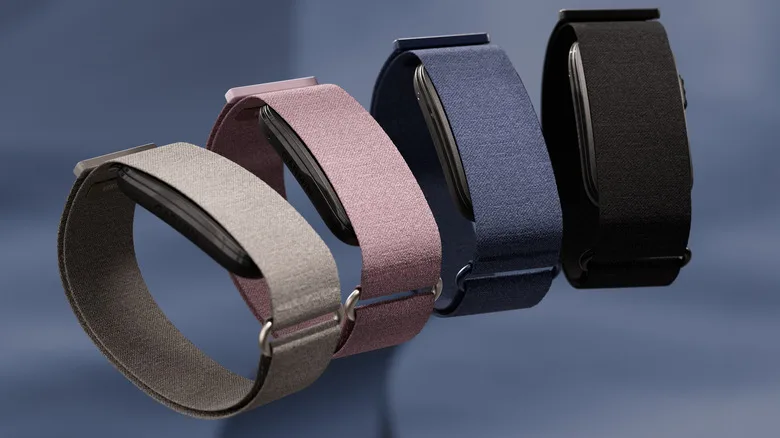
Screenless trackers are the wearable trend of 2026. We compare Whoop MG, Fitbit Air, Luna Band, and Garmin Cirqa on price, battery, sensors, and whether the AI coach is actually included.
Series 12's new Health Sensing System, readiness score, and health age put it head-to-head with Whoop and Oura. Compare price, sensors, scores, and which one actually earns a spot on your wrist.
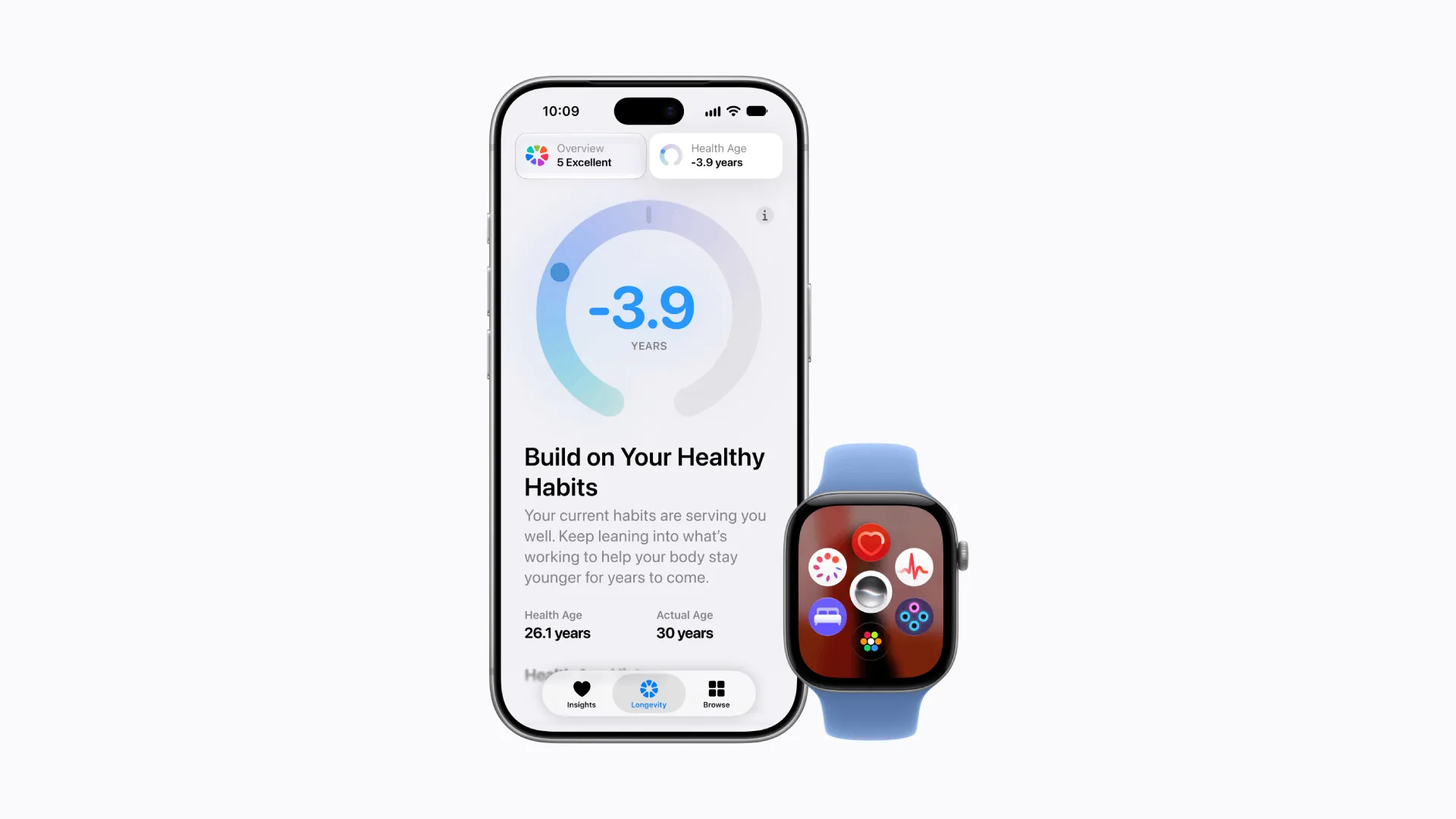
Apple's revamped Health app adds a Health Age metric in a new Longevity tab. Here's what it measures, how it differs from biological-age apps like HUMANITY and Bevel, and what it actually tells you.
watchOS 27 health features include better sleep tracking, Siri AI, Workout Buddy upgrades, and perimenopause support on Apple Watch this fall.
Apple Watch sleep tracking gets total sleep time close but stages less so. What validation studies show versus polysomnography, Oura, Whoop, and Fitbit.
The Apple Watch ECG records a single-lead heart rhythm in 30 seconds. How to take one, what sinus rhythm and AFib results mean, and what the limits are.
How Apple Watch calculates your five heart rate zones, where to see them during and after workouts, how to edit them manually, and how to actually train with zone 2.
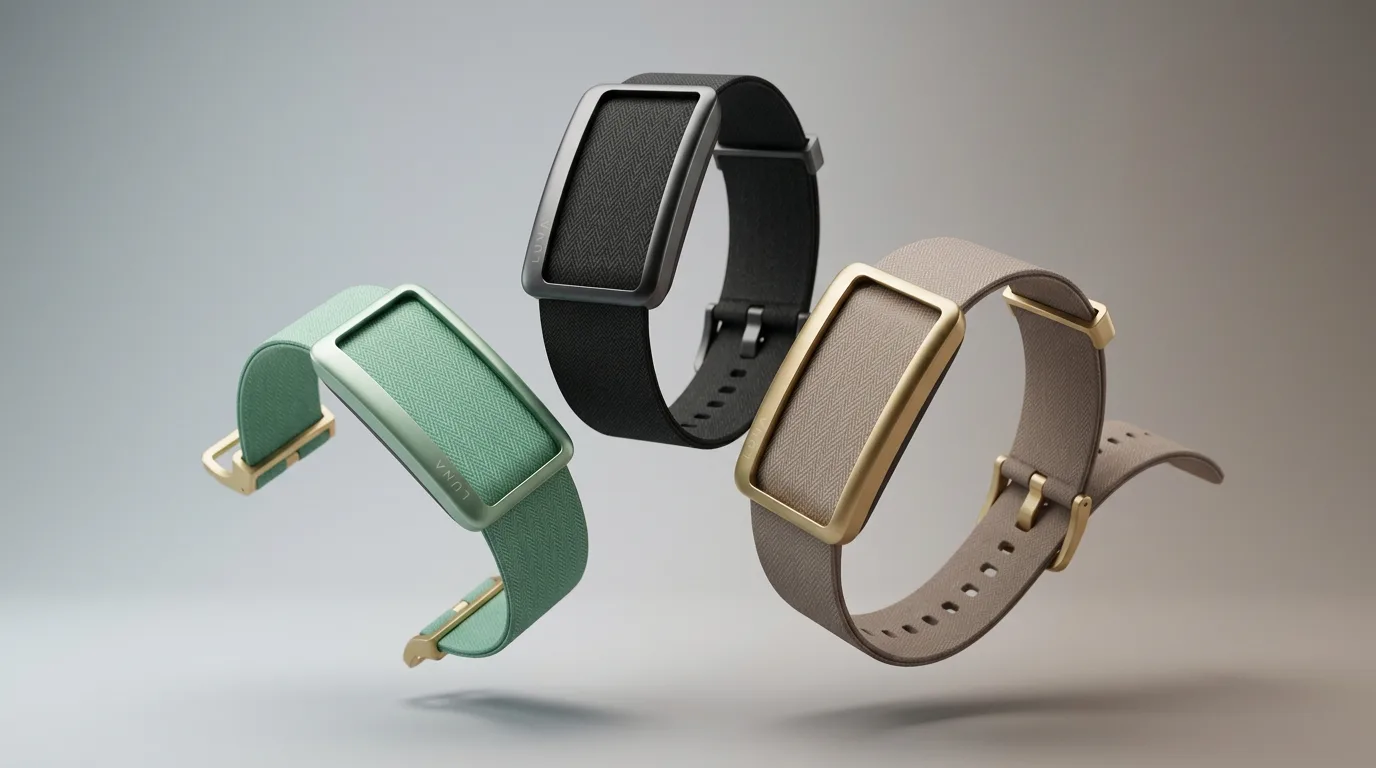
The Luna Band is a $149 screenless fitness tracker with free AI coaching via LifeOS. We break down the specs, the coaching economics, and whether free AI coaching can actually last.
The Luna Band is a $149 screenless tracker with free AI coaching, the Fitbit Air is a $99 tracker with a paid Gemini coach, and the Apple Watch Series 11 is a $399 smartwatch. Compare price, sensors, and whether free AI coaching is sustainable.
Heart rate is your pulse at any given moment; resting heart rate is a derived baseline measured while you're inactive. Here's how Apple Watch calculates each, what the numbers mean, and why the trend matters more than the number.
Apple Watch records heart rate variability automatically and stores it in the Health app as SDNN. Here's what HRV means and how to read the trend without overreacting to single measurements.
watchOS 26 added a native Sleep Score — duration, bedtime consistency, and interruptions. Here's what the number means, what a good score looks like, and what Apple's score still can't tell you.
Your Apple Watch collects everything a recovery score needs — HRV, resting heart rate, sleep stages — but watchOS has no recovery score of its own. Here's how to see the raw data, and how to get a score that actually tells you what to do.
Apple Watch measures heart rate variability all day but never gives you a stress score. Here is how third-party apps turn that raw HRV data into a number you can act on — and the best options in 2026.
Whoop charges $199 to $359 a year for recovery scores your Apple Watch can already produce. Here are the best Whoop alternatives in 2026, ranked, with real prices and honest tradeoffs.
Most calorie counters stop at protein, carbs, and fat. These apps track vitamins, minerals, and amino acids per meal — ranked by depth of analysis, logging speed, and database quality.
Your health data is some of the most sensitive information on your phone. Here is how to tell which apps keep it private, which ones sell it, and which privacy-first health trackers actually back up the claim.
Same sensors, three different questions: strain is the load you took on today, stress is how activated your nervous system is right now, and recovery is the load you can take on tomorrow. Definitions, inputs, and how to use them.
Bloomberg reports Apple wound down Project Mulberry, its Health+ AI coach, after three years of delays. What happened, what is still coming, and the best AI health coaches for Apple Watch users today.
AI calorie tracking uses computer vision and food databases to estimate nutrition from a photo. We compare how Lose It, Cal AI, Bevel, and Ness approach it — and why depth of analysis matters more than speed.
A ranked comparison of the five AI health assistants in 2026 — ChatGPT, Gemini, Claude, Grok, and Ness — by coaching depth, nutrition, privacy, and price. Ness scores 93.6% on HCBenchv1.
A ranked guide to the best health apps that turn your Apple Watch data into daily scores, recovery guidance, and coaching — from nutrition-first to recovery-only.
Ness vs Cal AI: Ness matches Cal AI on photo logging speed, goes deeper with per-ingredient accuracy and micronutrients, and ties food to recovery and a coach.
Ness leads with deep nutrition logging and a coach that knows what you ate. Livity leans on wearable support, Body Battery, and badges. Ness is $12.99/mo or $79.99/yr; Livity is $9.99/mo or $79.99/yr.
The Fitbit Air is a $99 screenless tracker with seven-day battery; the Apple Watch Series 11 is a $399 smartwatch with ECG, 5G, and a day of battery. Compare price, sensors, battery, and coaching.